Damp proofing & timber treatment • Bishop Auckland

A sound home starts with understanding damp.

Damp surveys, timber treatment and basement waterproofing from Bishop Auckland. Understand the cause, agree the repair and protect your property for the future.

Damp problems deserve a clear explanation.

A stained wall, musty room or damaged floor can be worrying, especially when you do not know what is causing it. You do not need to diagnose the problem before calling us. Describe what you have noticed and we can discuss the investigation and next steps.

Damp Proof North East works in association with P. Moody Building Contracts, a family-run business established in 1985. From our Bishop Auckland base, we welcome enquiries about damp-proofing, timber treatment and below-ground spaces. Find out about the business.
Help with damp, timber and below-ground spaces

Explore the symptoms and the work that may be needed. The right service depends on the findings, rather than the appearance of a stain alone. We also welcome basement conversion and wall tie remedial work enquiries.

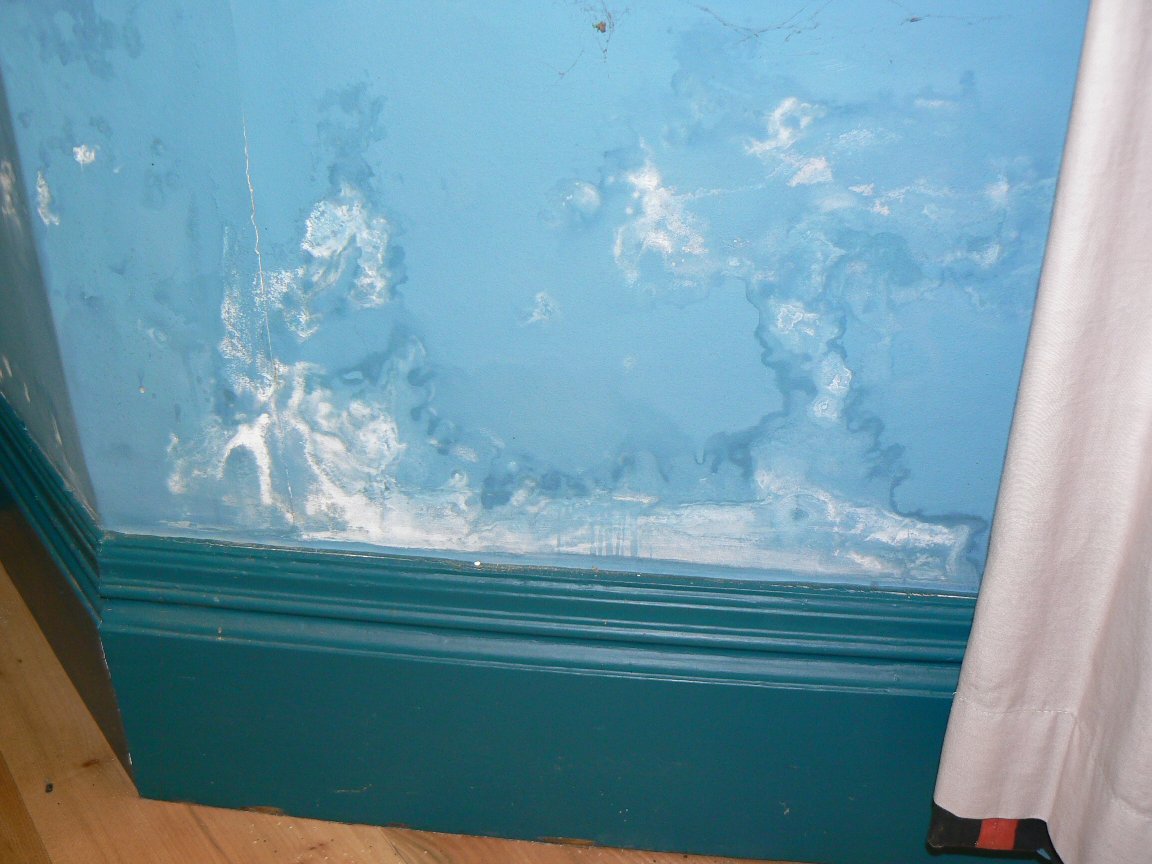
Rising damp

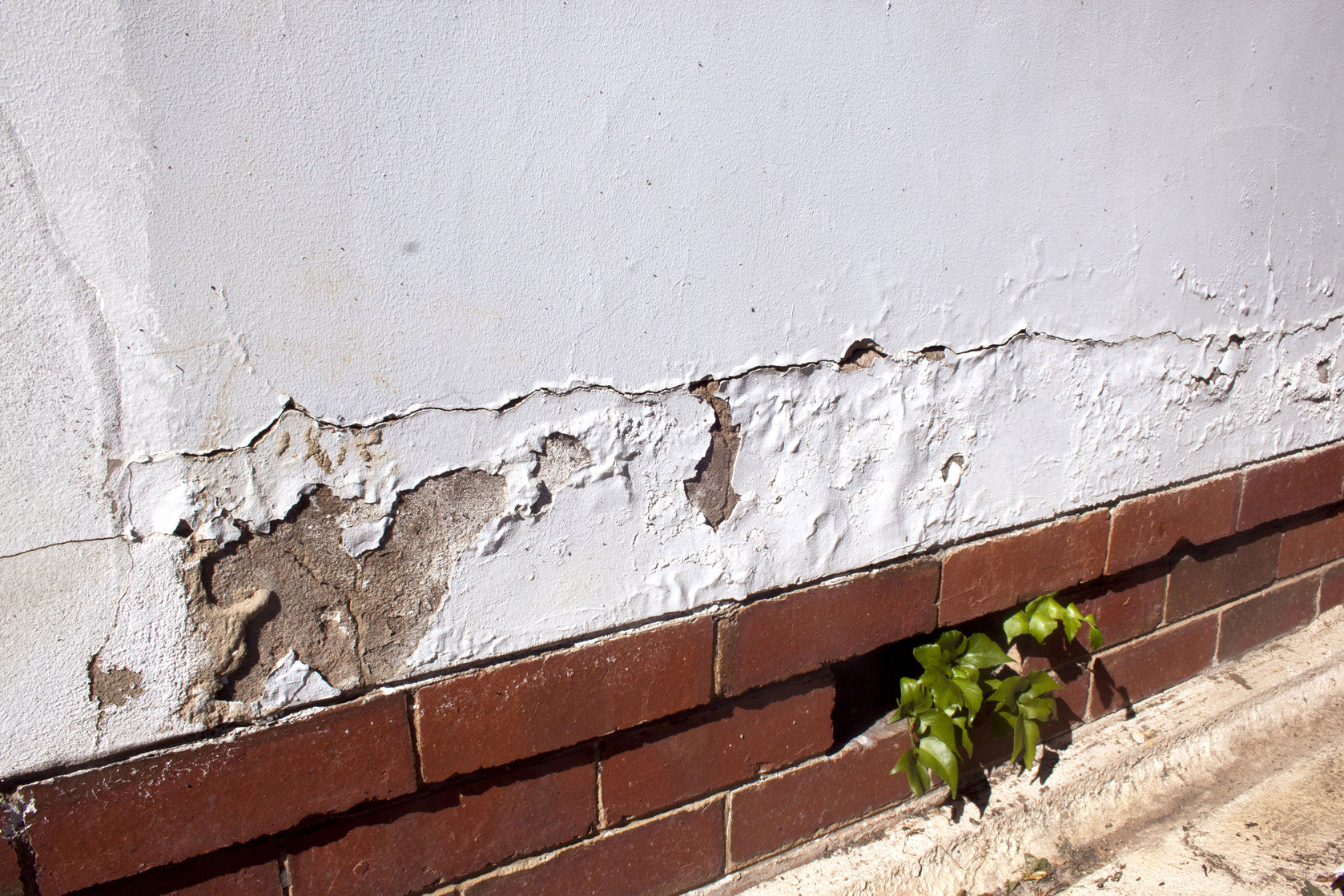
Damp patches, damaged plaster and salt deposits near skirting boards need careful assessment before deciding on treatment.

Learn more

Penetrating damp

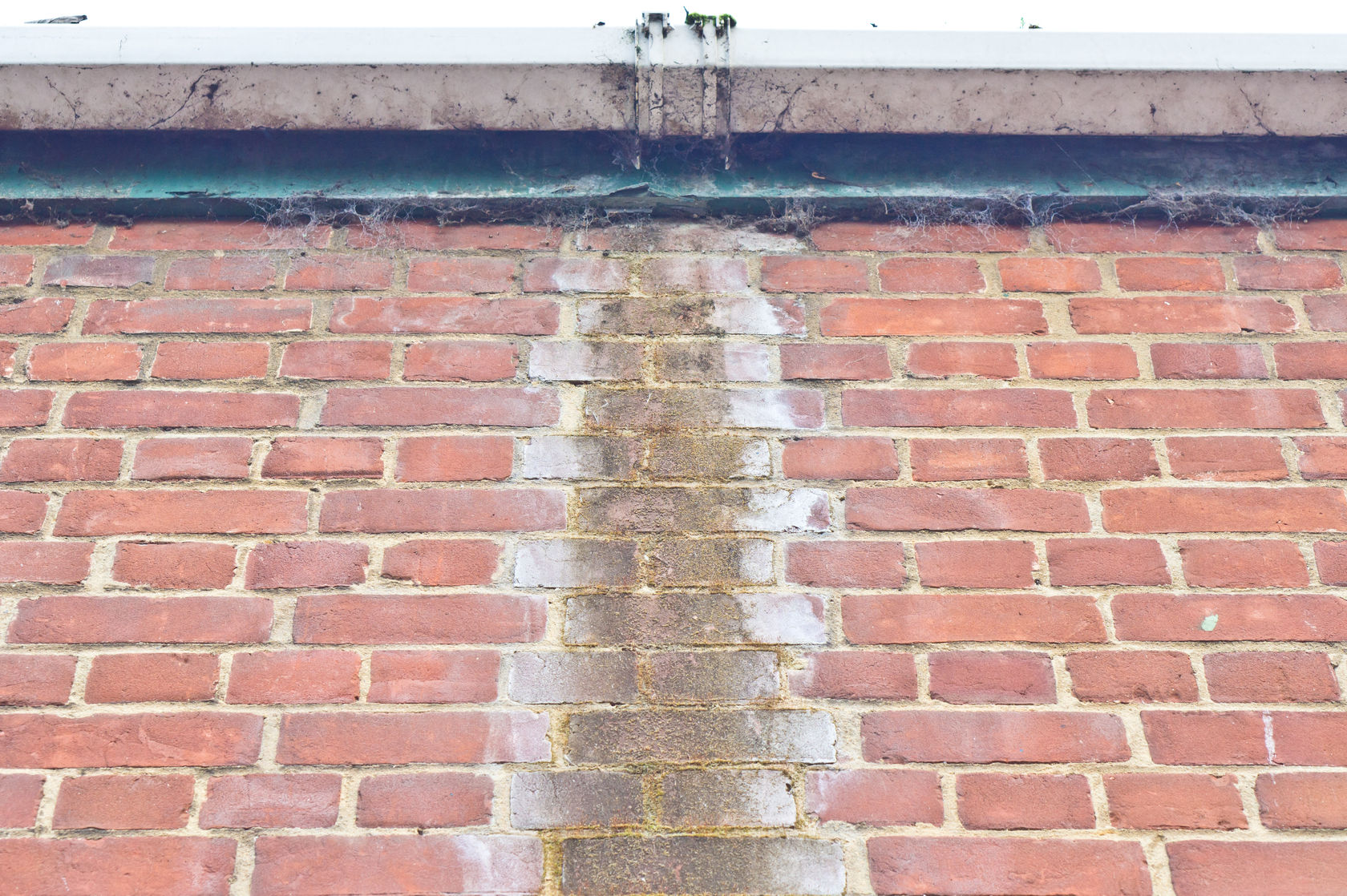
Investigation of rain-related damp patches, leaking gutters and defects in external walls across the North East.

Learn more

Condensation & mould

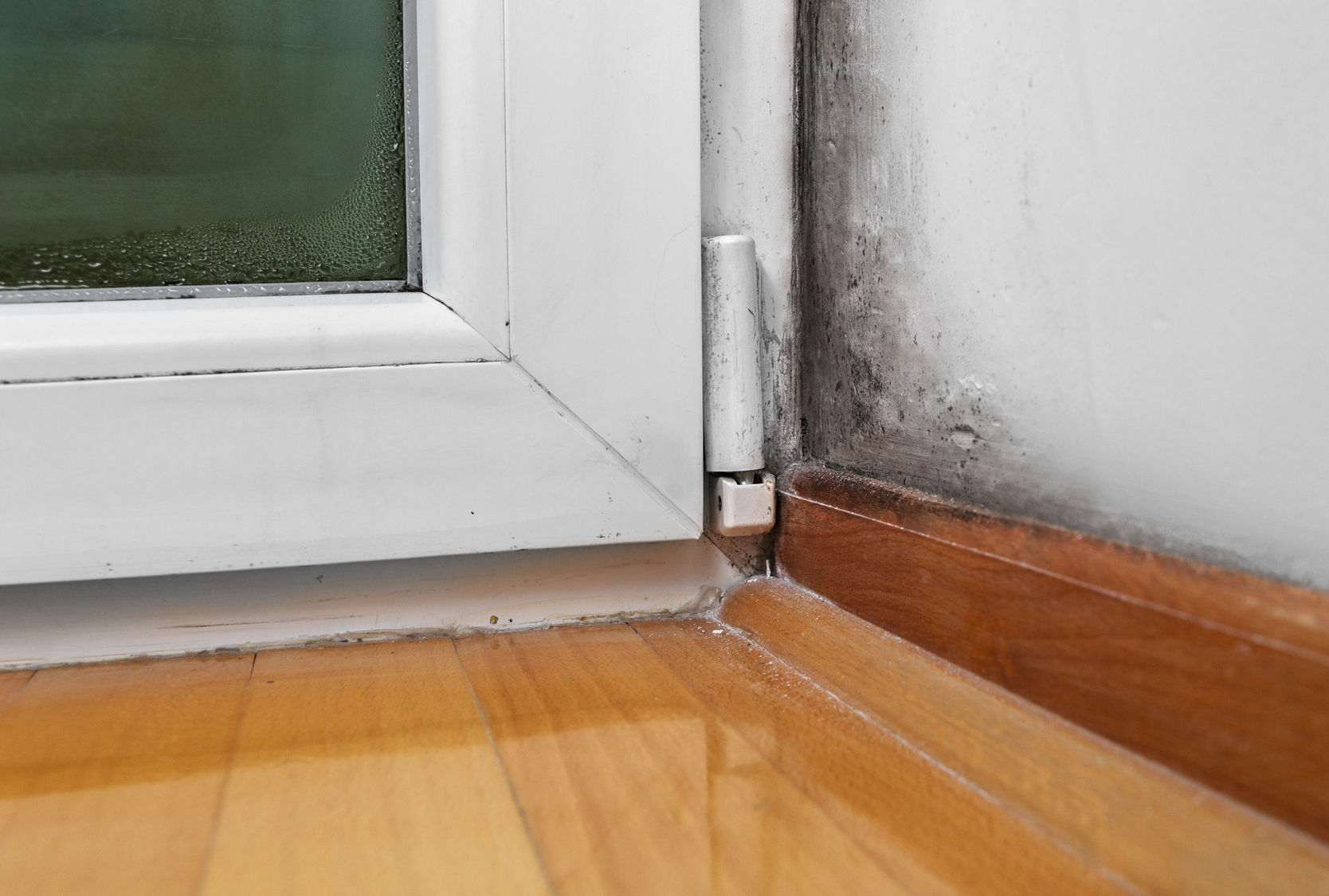
Practical assessment of condensation, cold surfaces and recurring mould, with advice based on how your property is used.

Learn more

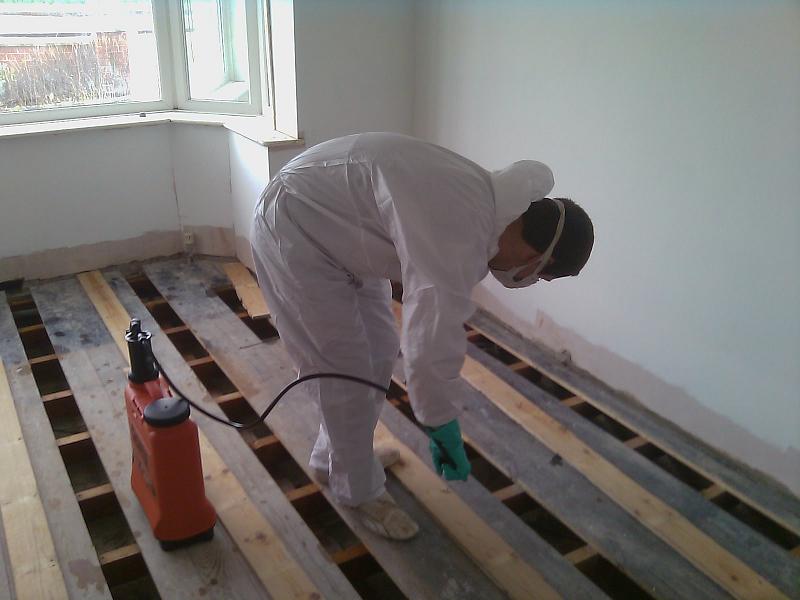
Wet rot & dry rot

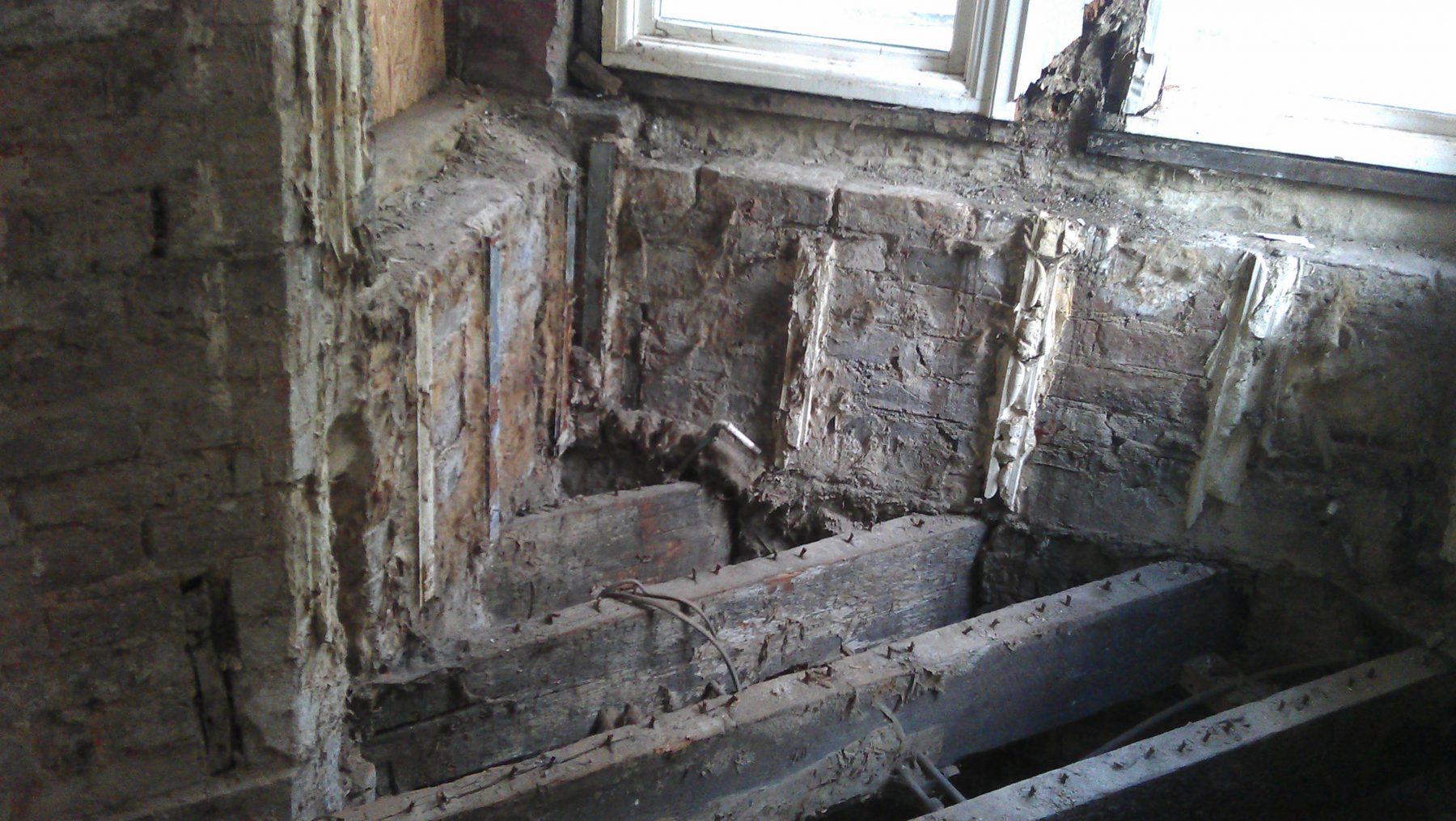
Assessment and remedial work for decaying timber, wet rot and suspected dry rot in homes and other buildings.

Learn more

Woodworm treatment

Woodworm inspections and timber treatment enquiries, with attention to evidence of activity and the condition of the timber.

Learn more

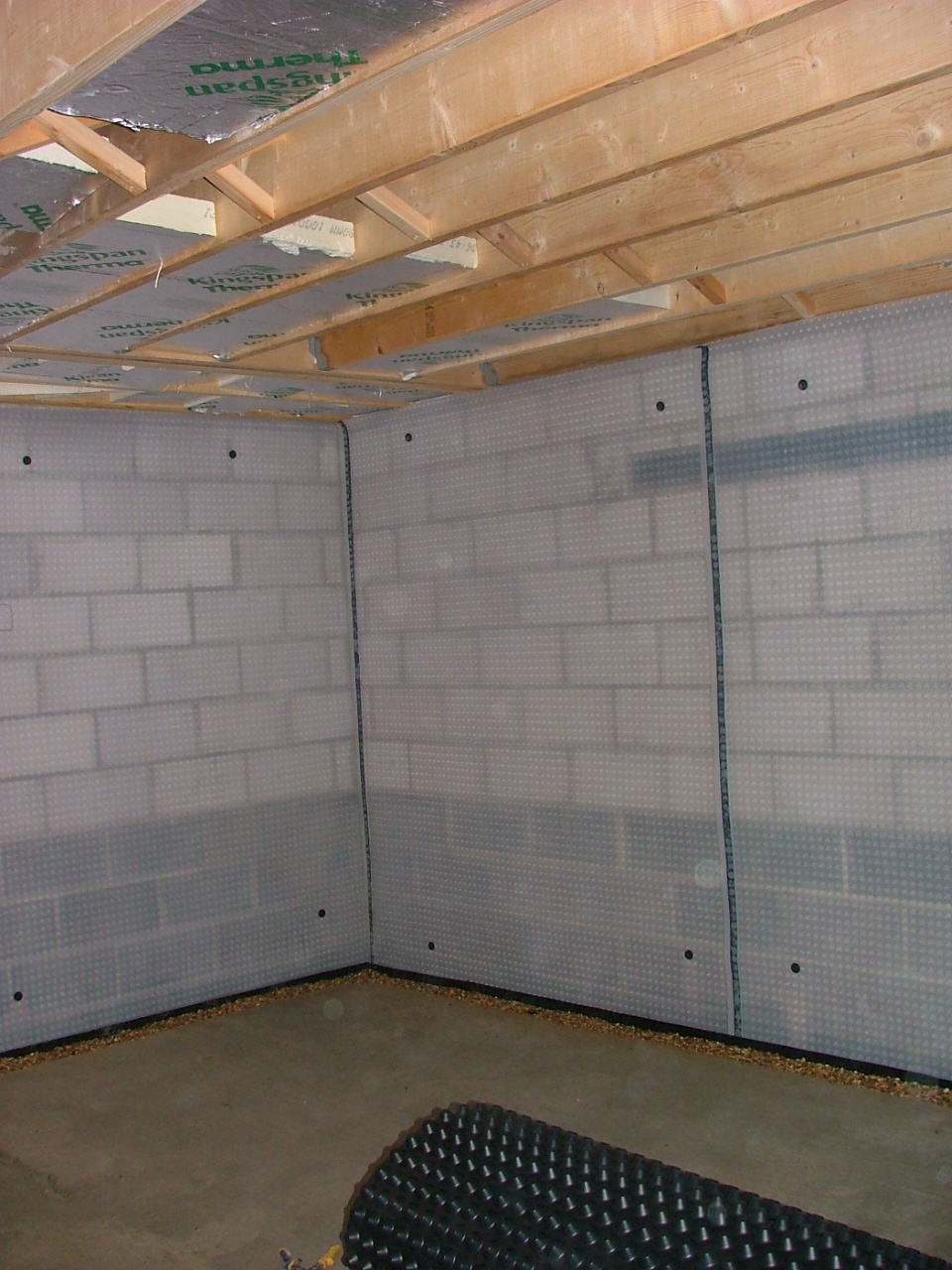
Basement waterproofing

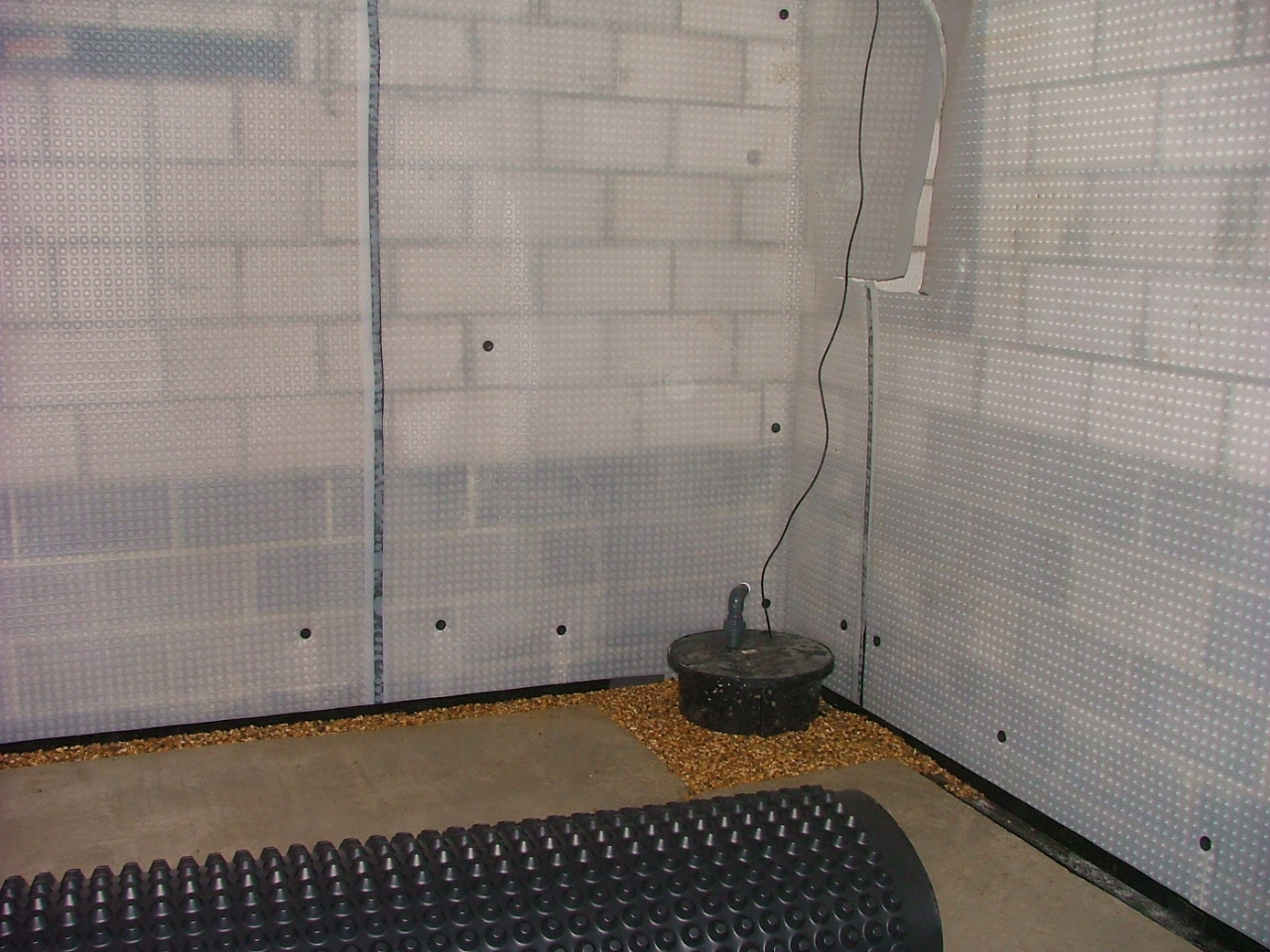
Basement waterproofing enquiries covering tanking, cavity membranes and drainage requirements for the intended use of the space.

Learn more

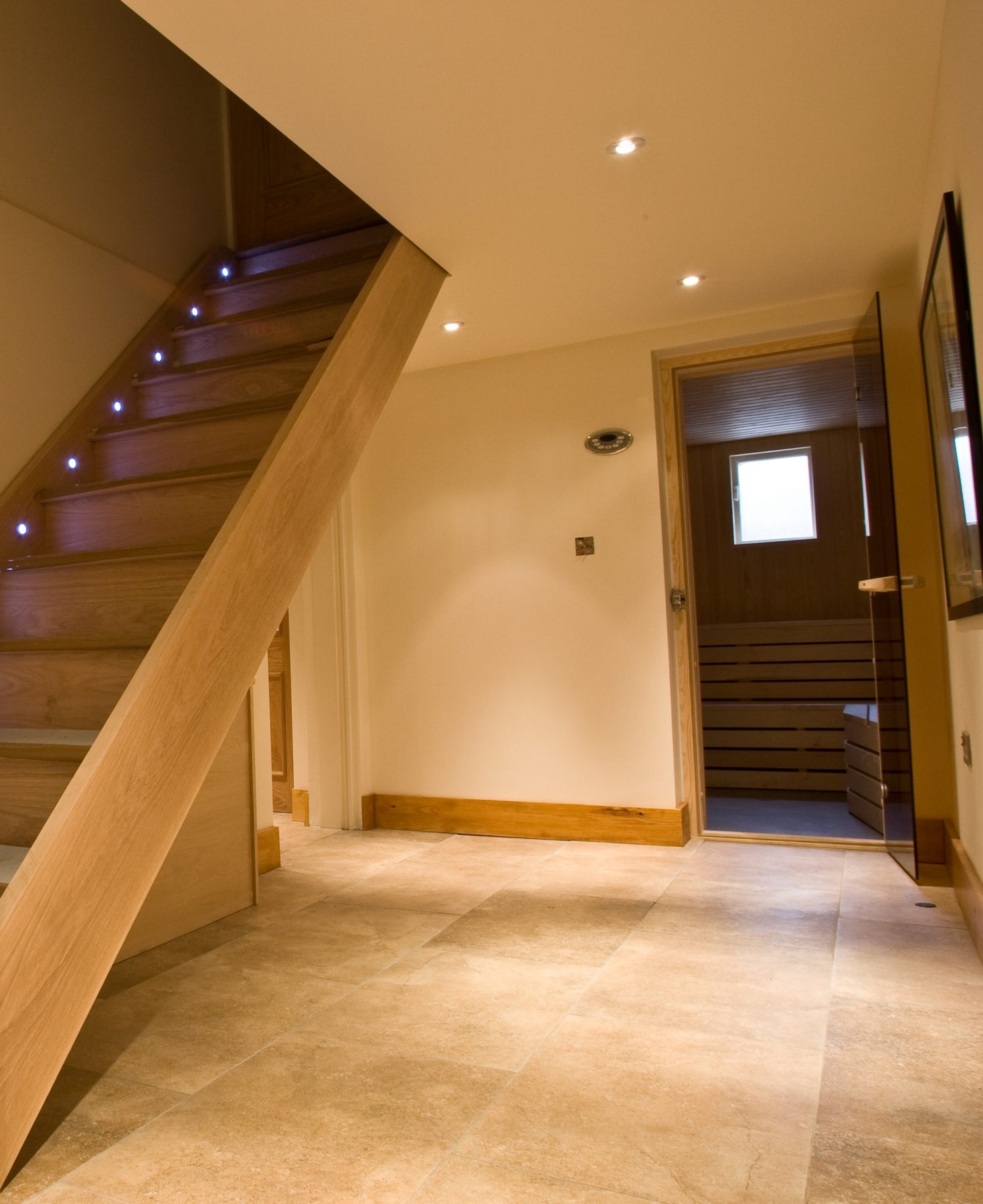
Basement conversions

Basement conversion planning and associated building work, with waterproofing, services and finishes considered together.

Learn more

Wall tie remedial work

Wall tie corrosion and property-preservation enquiries, with the condition of the wall assessed before remedial work is specified.

Learn more

Not every damp wall needs the same treatment.

Low-level staining, salt deposits or damaged plaster can justify an investigation into rising damp, but plumbing leaks, ground levels and earlier repairs also need consideration.

Marks that change after rain may point towards penetrating damp. Gutters, openings and external defects can be relevant, and the indoor stain may be some distance from the entry point.

Wet windows and recurring mould raise different questions about condensation, ventilation and cold surfaces. A useful assessment considers the building and its use together. Read our guide to damp in the home before arranging a visit.

A survey that leads to an understandable plan.

Start with what you can see. Call with the property postcode, affected rooms and a short history of the problem. Photographs and earlier survey or treatment paperwork can help explain the concern.

Agree what needs inspecting. Tell us about concealed areas, access restrictions and any renovation already planned. We offer free estimates and surveys in most situations; confirm arrangements and any applicable charge for your enquiry.

Understand the proposed work. Ask what the findings mean, which repairs are recommended and whether preparation, plastering, joinery and decoration are included. Where further investigation is needed, that should be clear before you commit. Read the survey FAQs.

Timber treatment starts with the condition of the timber.

Soft boards, deteriorating joists or fungal growth may indicate a problem that extends beyond a decorative finish. Wet rot and dry rot enquiries consider both the damaged material and the moisture conditions that allowed deterioration. Treatment alone does not make weakened timber structurally sound.

Small holes raise a different question. They can remain after an earlier infestation, so woodworm treatment should follow assessment of activity and condition. Tell us whether the timber is exposed, concealed or already being disturbed by other work. Avoid loading or opening an area that appears unsafe.

Make a basement project work beneath the surface.

Whether you want to improve an existing cellar or explore a usable lower-ground room, begin with its present condition and intended use. Basement waterproofing needs to consider the structure, water conditions and any drainage or maintenance requirements.

A basement conversion brings additional questions about access, ventilation, services and building work. Discuss these before choosing finishes, so the completed room supports the agreed design and leaves necessary maintenance points accessible. View damp, timber and basement examples.

Local enquiries from Bishop Auckland and the surrounding area.

We work from one base in Bishop Auckland and cover an approximately 20-mile straight-line radius. That is a coverage guide, not a promised driving distance or response time; confirm survey availability for your full postcode.

Explore local information for Bishop Auckland, Durham, Darlington, Barnard Castle, Spennymoor and Newton Aycliffe, or find your town or village in the full coverage directory. Each local page explains practical survey questions and links to the relevant services.

Know what is included before work begins.

A useful quotation should explain the repair area, preparation and reinstatement as well as the treatment itself. Ask how work will be coordinated around occupied rooms and what happens if previously concealed damage is found.

The written guarantee applicable to your particular job should be identified before work is agreed. Optional insurance-backed cover may be available at an additional cost; ask for the current terms rather than assume every repair has the same cover. See the FAQs for more questions to ask.

Tell us what you have noticed.

Call 07774 619 771 with your postcode and a description of the damp, timber or basement concern. We will discuss survey arrangements and the next steps.